
Interview
Zillow Interview Questions and Process: The Complete Guide (2026)
Prepare for Zillow software engineering interviews with a practical guide to coding, design and behavioural rounds, plus a focused 30-day study plan.
Zillow interview questions are best prepared for as a modern software engineering loop: an initial screen, technical coding, design discussion where relevant, and behavioural or hiring-manager conversations. Reported accounts for Zillow are thin and vary by team, so confirm the exact format with your recruiter. The reliable preparation is transferable: recognise coding patterns quickly, explain trade-offs clearly, write correct code, and discuss your own engineering work with specificity. For focused coding practice, Zillow's interview kit holds 7 mapped DSA questions.
This guide separates what is generally expected in software interviews from what has not been reliably documented for Zillow. Use it to prepare without assuming that an anecdotal process description is a fixed company policy.
The process at a glance
| Stage | Common format | What it may screen for | How to prepare |
|---|---|---|---|
| Initial screen | Recruiter or hiring conversation | Role fit, experience, motivation | Explain your recent work clearly |
| Technical coding | Live coding or an online exercise | Problem solving, code quality, complexity | Practise patterns and narrate decisions |
| Design discussion | System or object design, often level-dependent | Trade-offs, structure, engineering judgement | State assumptions and compare options |
| Team conversation | Hiring manager or behavioural discussion | Ownership, collaboration, communication | Prepare detailed project stories |
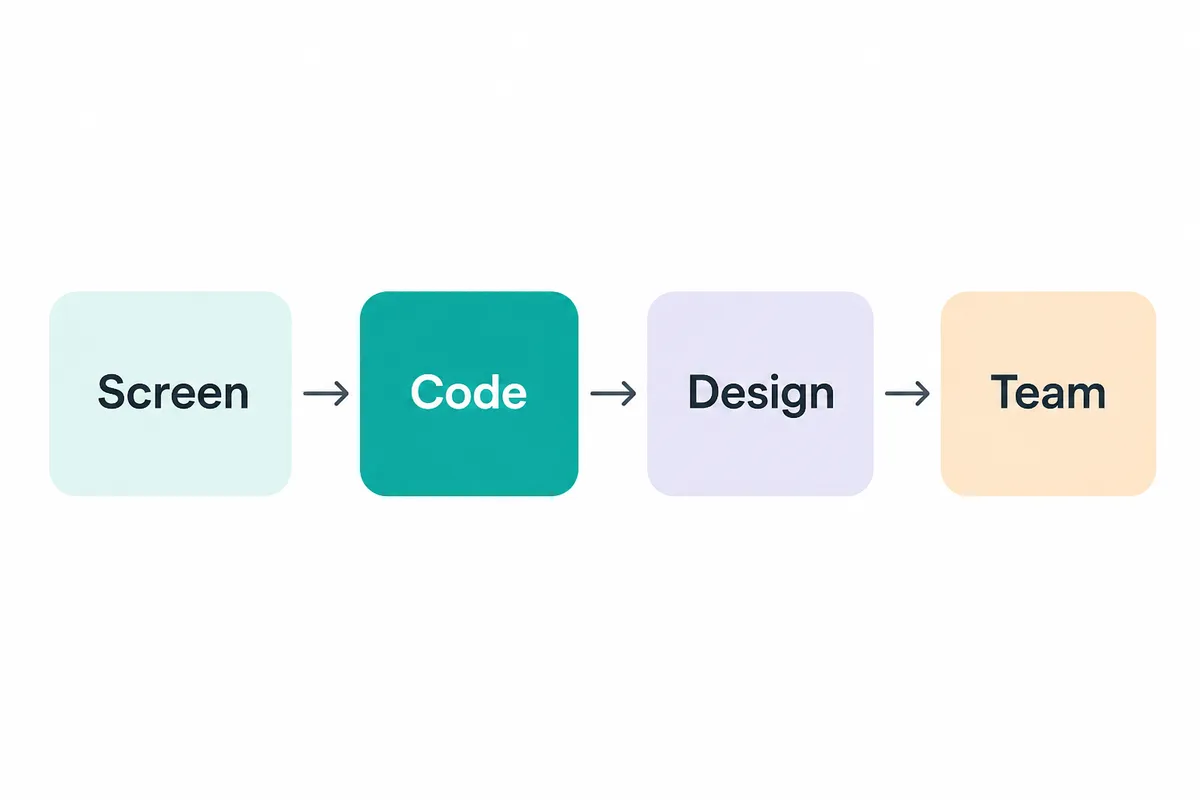
The table is a preparation model, not a promise that every Zillow candidate sees the same sequence. Current company-specific reporting does not support a reliable round count, named platform, time limit, or universal onsite format. That uncertainty is worth addressing directly rather than filling the gaps with guesses.
Initial screen: establish fit and context
The opening conversation is usually less about difficult technical content and more about whether the role, level and team context make sense for both sides. You may be asked about your current work, the kind of systems you have built, why you are considering a move, and what you want from your next role.
Treat this as an engineering conversation, not an administrative hurdle. A vague answer to “tell me about your work” can create doubt that follows you into later interviews. Build a concise overview of your most relevant project: the problem, your personal responsibility, the important technical constraint, the decision you made, and the outcome.
For Zillow specifically, use this conversation to remove uncertainty early. Ask what the next stage evaluates, whether coding is live or asynchronous, whether a design discussion is expected, and what level of system scope is appropriate. These are practical recruiter questions, not signs that you are underprepared.
A useful opening answer has three parts:
- the kind of systems or product area you have worked on;
- the engineering problems you enjoy solving;
- the evidence that you can operate at the role’s expected level.
Avoid reciting your CV line by line. Choose one or two examples and make your contribution unmistakable.
Technical coding: show your reasoning, not only your answer
A technical coding stage commonly tests whether you can translate a problem into a clean solution while communicating your thought process. The central skills are broadly transferable: clarifying requirements, identifying the relevant data structure or pattern, discussing complexity, writing readable code, and checking edge cases.
Start with questions. Ask about input constraints, duplicate values, invalid input, ordering requirements and expected output. Then describe the simplest valid approach before moving to a more efficient one. This gives the interviewer a visible path through your reasoning and prevents the common mistake of silently coding an interpretation that was never agreed.
Pattern recognition matters because it reduces the time spent searching for a starting point. Arrays, strings, hash maps, trees, graphs, binary search, recursion and dynamic programming all recur across engineering interviews. The free-to-browse DSA Patterns Sheet can help organise practice around recurring solution shapes rather than random problem lists.
For company-focused practice, work through Zillow's interview kit and use each question to rehearse a complete interview routine:
- Restate the problem in your own words.
- Name a brute-force approach and its limitation.
- Explain the chosen approach before writing code.
- State time and space complexity.
- Test normal, boundary and awkward inputs aloud.
The difference between solving a problem privately and solving it in an interview is communication. Read what interviewers actually look for in live coding interviews before your first mock session, then practise explaining decisions without over-talking every line.
💡 Pro Tip: If you get stuck, do not become silent. State what you know, identify the constraint that is blocking you, and propose the next experiment. Good engineering judgement is often visible in the recovery.
Design discussion: make trade-offs explicit
For experienced candidates, a design conversation may appear alongside coding. The precise Zillow format is not reliably documented, and it may vary by team and level. Still, the preparation method is consistent: turn an ambiguous problem into clear requirements, identify the core components, discuss data flow, address failure modes, and explain the trade-offs behind your choices.
Begin with scope. Ask what scale, latency expectations, consistency needs and user actions matter. Separate functional requirements from quality attributes. Then establish the simplest credible design before adding complexity. Interviewers generally learn more from a candidate who can justify a straightforward architecture than from one who immediately draws every possible service.
At an object-design level, focus on responsibilities. What entities exist? Which behaviour varies? Where should state live? How would a future requirement change the design? The free-to-browse Low Level Design Sheet is useful for practising these choices through concrete exercises.
At a broader system level, work on stating assumptions and comparing options. For example, do not merely say “use a cache”; explain what is cached, why it is safe to serve stale data or why it is not, and what happens when the cache misses. The free-to-browse System Design Sheet can support that kind of structured rehearsal.
If you are unclear which kind of design applies to your level, read low-level design vs high-level design: what interviews actually expect. The key distinction is scope: class responsibilities and interactions are different from services, storage, scale and reliability.
Team and behavioural conversation: prove ownership
A behavioural or hiring-manager stage commonly tests whether your technical ability translates into reliable work with other people. Strong answers are specific, reflective and honest about trade-offs. They show how you make decisions when requirements are incomplete, priorities shift, incidents occur, or a colleague disagrees with you.
Prepare stories from projects you genuinely know in depth. For each one, be ready to explain:
- the context and the actual problem;
- what you personally owned;
- the options you considered;
- the decision you made and why;
- the result, including what you would change now.
The phrase “we did” is not always wrong, but it invites a follow-up: “What did you do?” Make your contribution clear without taking credit for a team’s work. Good candidates can describe collaboration while still showing individual judgement.
Use an AI mock interview to practise concise answers under follow-up questions. Rehearse difficult stories too: a missed deadline, a production issue, a decision you reversed, feedback you received, or a disagreement you helped resolve. These are often more revealing than polished success stories.
Named Zillow rituals: what is actually known
No current, reliable company-specific source establishes a named Zillow interview ritual, standard platform, fixed time limit or universal stage order. That means it would be misleading to present a supposed Zillow-specific tradition as fact.
The practical response is not generic preparation; it is targeted confirmation. Before you begin intensive preparation, ask your recruiter:
- Is the technical exercise live, asynchronous, or both?
- Is a design discussion expected for this role and level?
- Is the design discussion focused on classes, systems, or a past project?
- Will there be a hiring-manager or behavioural conversation?
- What should I prioritise in the time available?
These questions make your preparation Zillow-specific without relying on stale internet accounts. They also help you choose the right mock format rather than assuming every engineering loop resembles the last one you faced.
Is the Zillow interview hard?
It can be challenging because the format is not reliably documented in enough detail to reduce preparation to a fixed checklist. The technical bar is likely to reward the same fundamentals that matter in most software engineering interviews: correct reasoning, sensible complexity, readable code, clear communication and grounded engineering judgement.
How many rounds are there? There is no sufficiently sourced Zillow-specific count to state confidently. Candidate experiences can vary by team, role and seniority, so confirm the structure with your recruiter.
How long does it take? There is no reliable Zillow-specific timeline in the available research. Plan your preparation around the date of your next confirmed stage rather than an assumed end-to-end schedule.
The useful mindset is to prepare for capabilities, not rumours. If you can solve common coding patterns while explaining yourself, handle an open-ended design prompt, and speak credibly about your work, you will be prepared for the core signals a modern engineering loop is likely to evaluate.
A 30-day preparation plan
Week 1: rebuild coding fluency
Review core data structures and practise recognising common patterns quickly. Focus on arrays, strings, hash maps, linked lists, trees, graphs and binary search. Do not chase volume. After each problem, write down the clue that should have helped you recognise the approach sooner.
Use the free-to-browse DSA Patterns Sheet for structured practice. If graphs are a weak point, graph traversal patterns: DFS and BFS provides a useful framework for choosing and explaining traversal strategies.
Week 2: practise interview delivery
Shift from untimed solving to realistic communication. Speak your approach aloud, set a timer, and review your own code for naming, structure and edge cases. Complete several problems from Zillow's interview kit, then repeat selected problems without looking at the previous solution.
Include a short retrospective after every session: what did you clarify well, where did you hesitate, and which edge case did you miss? Improvement comes from identifying repeated habits, not merely seeing more questions.
Week 3: add design and project depth
Practise turning vague prompts into a structured design. Begin with requirements, establish a simple solution, then discuss scale, reliability and alternatives only where they matter. Use the free-to-browse System Design Sheet for architecture practice, or the low-level design material if your recruiter confirms a class-design focus.
At the same time, write out your project stories. Choose examples that show ownership, collaboration, technical decision-making and learning from setbacks.
Week 4: simulate the full experience
Alternate coding, design and behavioural rehearsal. Run mock sessions in conditions that resemble an interview: no notes, verbal reasoning, a visible timer and a brief retrospective afterwards. Use AI mock interviews to practise handling interruptions and follow-up questions.
Keep the final days focused on consistency. Revisit patterns you have already learned, refine your project stories, and avoid cramming unfamiliar advanced topics at the expense of clear fundamentals.
What makes Zillow preparation different
The Zillow-specific challenge is not a documented unusual round; it is the lack of dependable public detail about one. Candidates often respond to uncertainty by collecting contradictory interview reports and preparing for every possible format. That approach spreads effort too thin.
Instead, use a two-part plan. First, prepare the transferable engineering signals: coding fluency, design reasoning and ownership stories. Second, use recruiter information to narrow your final preparation. If you learn that the next stage is live coding, spend the remaining sessions speaking through solutions. If it is design-led, practise scoping and trade-offs. If it is a manager conversation, rehearse project depth rather than another obscure coding pattern.
This approach is more robust than treating Zillow interview questions as a secret list to memorise. It prepares you to perform well even when the prompt, interviewer style or team context differs from what you expected.
Frequently asked questions
What kinds of Zillow interview questions should I expect?
Prepare for coding, design and behavioural questions commonly used in modern software engineering loops. Reported Zillow-specific detail is thin, so confirm the exact format with your recruiter.
Does Zillow have a coding interview?
Technical coding is a common part of software engineering hiring. Prepare to clarify the problem, discuss complexity, write readable code and test edge cases.
How many Zillow interview rounds are there?
There is no reliable company-specific round count in the available research. The process may vary by role, team and seniority.
Does Zillow ask system design questions?
A design discussion may be relevant, particularly for more experienced roles, but the exact Zillow format is not reliably sourced. Ask your recruiter whether design is in scope.
How should I prepare for Zillow coding questions?
Practise core patterns, explain your reasoning aloud, and review complexity and edge cases. Zillow's interview kit is a focused place to begin.
What should I ask the recruiter before interviewing?
Ask about the next stage’s format, whether design is included, the expected level of system scope, and whether you should prepare a project discussion.
Is the Zillow interview difficult for software engineers?
It can be demanding because interview performance combines technical knowledge, communication and judgement. Systematic practice is more useful than trying to predict one exact question.
How do I prepare for behavioural questions?
Prepare detailed stories about ownership, conflict, technical decisions, failures and learning. Make your individual contribution clear in each example.
Should I practise dynamic programming for Zillow interviews?
It is worth understanding when dynamic programming applies, but prioritise the patterns most likely to improve your recognition speed across many coding prompts. See dynamic programming patterns for a structured introduction.
Where to start
Start with the skills that transfer across possible Zillow interview formats: solve coding problems with a clear narrative, practise making design trade-offs explicit, and prepare honest project stories that demonstrate ownership.
Open Zillow's interview kit to practise the 7 mapped DSA questions in a company-focused set. The sheets are free to browse, and an AI mock interview can help you rehearse coding, design and behavioural discussion before the real conversation.
Finally, confirm the live process with your recruiter. That is the most reliable way to turn broad preparation into the right preparation for your Zillow loop.
Topics
Related on Thita
Your next step
Practise with AI mock interviews
A spoken interview that asks follow-up questions, runs your code and ends with a written report.